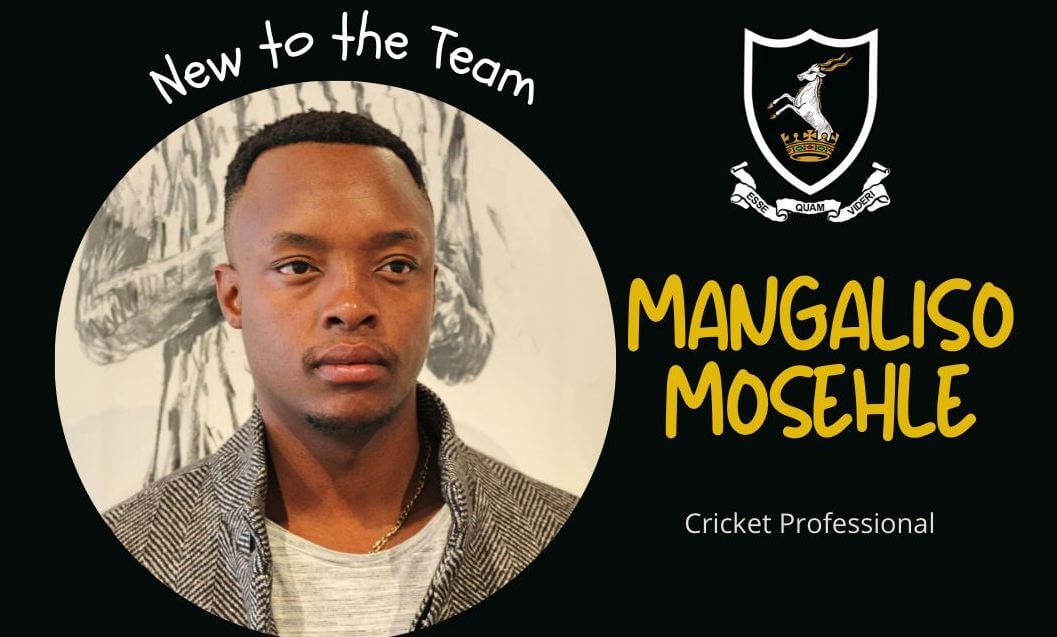
The recently retired Managliso Mosehle, has been appointed as the new cricket professional at Queen’s College.
Moshele, a brilliant gloveman who hails from Duduza in the East Rand, is no stranger to the game of cricket.
He was a bit of a journeyman on the South African cricket circuit having represented a number of teams over his 15-year career including Easterns, Titans, Lions, Dolphins and Knights.
He will bring a wealth of experience to the school, having represented the Proteas in seven T20 International matches, his last match being played against Bangladesh in 2017.
Managiliso represented South Africa u19 at the 2008 World Cup, which featured the likes of Virat Kolhi, Kane Williamson and Wayne Parnell.
He finished up his career having come full circle and playing for Easterns in Division 2 of the newly restructured provincial system. In between starting his career at the province where he was identified by Ray Jennings as an upcoming talent he scored 3748 first class runs before announcing his retirement from all forms of the game in June 2023.
An acrobat behind the stumps and what some would describe a Caribbean-esque approach to batting, full of flair and natural aggression, the boys at Queens College will have a great opportunity to pick the brains of someone who has captained a number of provincial teams.
Managliso was recently quoted as saying that, “He is looking forward to the journey ahead and is excited to be a part of a school that has a great history.”
Queen’s College has a rich cricket history in the Eastern Cape producing a number of provincial players over the years. The school has produced two Proteas including Daryl Cullinan, Justin Kemp, along with brothers Tony and Ian Greig who represented England.
With the winter sports season wrapping up, and summer fast approaching Queens College will be eagerly looking at securing a few wins under their belt as the weather warms up. The side will come up against rivals Dale College and Grey High School, both of whom they have a proud long-standing rivalry.
The numbers are astonishing, the record incredible, and the claim that the Maritzburg College 1st hockey team of 1998 was, quite possibly, the best schoolboy team in the history of South Africa is extremely compelling.
So, let’s put forward those statistics for the College case: they played 24 matches, including eight in England (and not only against school teams), and won 23 of them. The 24th was a draw, which really should have been a College win. They did, in fact, score a winner, but… More on that later.
It gets better, though. With only College boys on the field, the Midlands (now KZN Inland) A team won the Inter-provincial under-18 A Tournament, which was played in Pietermaritzburg.
With every member of the team making the Midlands A team, they also became the only side in the history of Maritzburg College to all be awarded Honours.
Eight of the 1998 1st team also played for the Midlands under-21 A team. They, too, won the A IPT. Two College boys, Craig Maud and Iain Evans, were selected for the South African under-21 side.
Five players – Iain Evans, Craig Maud, Rich Stewart, Rob Dauncey and Charl van der Merwe – represented the Midlands men’s team, which finished fourth in the National Men’s Hockey League.
Journalist Ken Borland wrote about the massive impact of Maritzburg College’s class of 1998, not only on school hockey, but also on national under-21 and men’s hockey.
SOUTH AFRICAN SCHOOLS
Six of the players – Iain Evans (captain), Craig Maud, Gareth Carr, Gary Royston, Rich Stewart and Charl van der Merwe – were chosen for the South African Schools A side. Dale Isaacs was selected for the SA Schools B team, with Ryan van der Riet a non-travelling reserve, and Marc Holness captained the South African under-16 team.
Four members of the 1998 Maritzburg College 1st team – Iain Evans, Gareth Carr, Charl van der Merwe and Ayden Shrives (indoor) – went on to win South African men’s caps.
Ultimately, 12 of the players that represented the College 1st team that year received South African Schools colours.
As the captain Iain Evans noted to Pinnacle Schools: “Coming off the bench, you had Ayden Shrives, Tony Holness, and you had Leroy Nel, who are probably three of the most talented guys to ever sit bench for any high school 1st team. All of them played for SA Schools, and they were our bench players.”
A LEGENDARY COACH
The team was coached by a legend of schoolboy sport in South Africa, Mike Bechet. A product of DHS, he played hockey for Eastern Province, Western Province, Natal, and the South African under-21 team. As a coach, he led Natal to IPT honours. Later, he became the convenor of selectors for the South African men’s team for the 2008 and 2012 Olympic Games.
Bechet’s records as coach of the Maritzburg College 1st hockey team and 1st cricket team, alone, stand as among the best. Combined, they are unchallenged.
The SA School Sport website ran a poll on the greatest South African schoolboy coach in 2020. There were 116 284 votes cast and Bechet received 62 625 of them (53.86%). The runner-up received just over half of that number. Interestingly, that man, Skonk Nicholson, was another DHS old boy who made his name at Maritzburg College.
Included in a coaching career of outstanding achievements, Mike Bechet coached Maritzburg College teams that were ranked number one in the country in both hockey and cricket in the same year.
TRAINING UNDER MIKE BECHET
Iain Evans, the captain of College in 1998, told Pinnacle Schools: “I have fond memories of training as hard as I have ever trained in my life, under Bech.
“He was a very demanding coach, from a life point of view and from a hockey point of view. He demanded everything. I remember he would be hard on you if you didn’t achieve the things that he had set out to do in the session, and the things that he demanded were total commitment and excellence in each training session. He would let you know if you weren’t living up to that expectation.”
Bechet demanded a structured, high percentage approach to the game, Evans said. “In the training sessions at College, he would focus a lot on technique. From a very early age, you were given a role, a position, and told that was what you needed to do, and you did it over and over and over and over and over again, until you did it in your sleep. And you were the best at it, whether it was slapping a ball, hitting a ball, pushing it around the back four, which we did for hours upon hours.
“That’s where the famous Maritzburg College back-four trough came from. We would do that in our sleep, at high speed. He emphasised first touch all the time, so that you received it from any angle, and your first touch would be perfect. Your second touch was another pass. That was the approach to the back four.”
STYLE OF PLAY
Overheads were outlawed. Midfielders had to receive and pass, never run with the ball, until it had reached the front three. Then, and only then, could the players use their one-on-one skills.
Primarily, Bechet preferred to attack down the right, the strong stick side, forcing the overlap in the Dutch style.
“It was always drilled into us: right-side overlap, baseline, 90 degrees to finish. Then, left side, receive it in a dangerous area, cut in at 45, force a shortie or a goal shot, or fling it to the far-right post. That was kind of the tactic of Bech, essentially,” Evans shared.
Defensively, it was a man-to-man approach, with strong communication. Evans said Bechet had a saying: “‘Stick like shit to a blanket when you’re marking’. That was one of his favourites.”
A CEREBRAL APPROACH
The coach’s approach was more cerebral than focussing on what happened on the field, however. “From a life point of view, I remember Bech taking us to Nathan House and reading us excerpts from Michael Johnson’s ‘Slaying the Dragon’,” Evans recalled.
“He was big on his quotes. He loved Vince Lombardi. He loved all the classic coaching mantras. He used to drill them into us over and over again. Before big games, he would make us lie on the floor and do breathing and relaxation, and play us ‘Chariots of Fire’, while we visualised executing those roles and skills that he had set out for us to do.
“He was very much ahead of his time as a schoolboy hockey coach in that era, from a mental conditioning point of view, from a life philosophy point of view, making sure you ate right, slept enough.”
In those days, Maritzburg College did not have a school gym. Bechet made his players take out contracts at Body Dynamics Gym.
“As young men, he put the ball in our court a lot, which is good for life. I respect that, and I used that throughout my life,” Evans said.
The 1998 Maritzburg College team, though, didn’t require too much pushing. They were driven individually and drove one another collectively.
In an interview with Ken Borland in 2021, Bechet shared some of his coaching philosophy, which was reflected in the ’98 side: “I like to pick guys who absorb information and who have good character. I value that above skill. You can teach someone skill, but you can’t teach character. Things like mental attitude and a culture of no excuses play a huge role.”
Renowned as a rugby writer, Simnikiwe Xabanisa was inspired to write about the all-conquering College 1st XI of 1998.
AN ASTROTURF ADVANTAGE
College had an advantage over most of their opposition, also, because Mike Bechet had embraced playing on artificial turf long before many others, and he had ensured his players had the opportunity to develop their games on the surface.
When the AB Jackson AstroTurf was laid in 1996, he secured a set of keys to the facility. From that time, the College 1st team never again trained on grass. They were able to develop their artificial surface skills before other schools, skills like penalty corners, which were a huge advantage for the team. That included a once-a-week practice at 05:30 in the morning. Commitment was demanded and expected.
In 1998, towards the end of the season, an Astro was laid on Pape’s, with College, once again, leading the way among South African schools. They were the first to have their own Astro.
As the captain of the 1998 team, Evans said all that was required from him in terms of leadership was fine-tuning. He had exceptional talent around him, boosted by players whose efforts set the example for their team-mates.
TOP CLASS DEFENSIVE TALENT
At goalkeeper, Craig Maud was “probably the best schoolboy goalkeeper that’s ever played the game,” Evans said. Maud’s selection for the South African under-21 team backs up that contention. Evans was, of course, the other player to crack the nod for the national under-21 side.
The centre back pairing of Gareth Carr and Gary Royston both made the SA Schools side. “They were both formidable in their distribution and their tackling, very well organised, and they played together for three seasons in a row,” Evans commented.
At right-half was Rich Stewart, who had moved to College from Jeppe, along with Rob Dauncey. “Hard as nails and with a super-sensible head on his shoulders. He was very calm all the time,” Evans said. Stewart was another SA Schools selection.
Completing the defence was left-half Neil Gillespie. “Probably the most hard-working defensive left-half I have ever played with,” Evans reckoned. “As a distributor down the left, he was a helluva strong guy. He could slap a ball really, really hard, and he didn’t miss a lot of tackles.
“So, that was your back four and your goalie.” Four SA Schools A selections and one SA Schools B selection.
MIDFIELD
“I didn’t have to do much, as a captain,” Evans admitted. He was the kingpin in midfield.
1998 Maritzburg College 1st XI captain Iain Evans was selected for the SA Schools and SA under-21 teams in his matric year.
“As a central midfielder, he was clearly in a class of his own at schoolboy level in the country,” Mike Bechet wrote in the Maritzburg College Magazine. “His domination of this area of the field saw to it that at u18 provincial and domestic level he never played on the losing side. He reads the game superbly well, while his leadership skills never detracted from his performances on the field.”
Bechet suggested Evans would progress to “a very high level in hockey in years to come”. He was right. Evans represented South Africa at the Olympic Games in Athens in 2004.
To the left of Evans in the midfield was Charl van der Merwe. Recalling his influence, Evans said: “He was probably the first player to really master aerial skills, so he would just eliminate players from left midfield with a little jink and an aerial dribble, and suddenly our midfield would be behind their midfield, and it would be six on four, which often led to a goal or a shortie or a stroke.”
Ryan van der Riet played on the right of midfield. During the season, he developed his drag flick and became so good at it he relegated Evans from the job.
“I got relegated to the slip flick, because Ryan was flicking so well and so hard,” the skipper said. “That was before Gareth Carr learned to drag flick, and he ended up drag flicking for the national team later on in his career. And Ryan was fast and strong.” In the 1999 season, Van der Riet would net 45 times and Carr would score 30 goals for the College.
FORWARDS
On the right wing was Simon Mommsen, a member of the Maritzburg College 4 x 100 metres relay team. He had serious gas and he used it well.
Evans described Mommsen’s strength: “He had only one move, and that was the over the top, but it was really good, and he would just accelerate and also hatch it, and nobody could catch him. ‘Baseline run, and then those 90-degree under the shoulder passes, which they trained over and over again.
“Rob Dauncey, as the centre striker, was a classic centre-forward. He scored tons of goals.” For the record, Dauncey scored 28 times in 23 games.
“He was a hard man, and such a hard-working defensive striker, as well. He used to reverse press guys, especially if we identified an opposition centre midfielder who was good. Daunce would be reverse pressing him. I would be stepping through, with Gary Royston right behind me, and we would create these impenetrable midfield pockets.
Then, at left striker was Dale Isaacs. “He scored goals from everywhere and, also, was so hard-working. He ran such good defensive lines, and was quick off the mark, and to press,” said Evans. Isaacs was “desperately unlucky not to gain selection to the National under-18 A team,” Mike Bechet said.
Isaacs was also a prolific goal scorer, finishing just behind Rob Dauncey with 27 goals in 24 matches.
As if that wasn’t enough, there were the aforementioned bench players, who would all go on to earn South African Schools colours in the future.
The 1998 Maritzburg College 1st team: an all-time great team with an all-time great coach.
IRONCLAD DEFENCE
In matches against South African opposition, Maritzburg College conceded only two goals all season.
Interestingly, both of those goal were scored by Kearsney College, and it happened in the aforementioned draw. College were shocked early in the game, when Kearsney went ahead, and at the break they still led.
Just 10 minutes after the restart, though, College had moved into a 2-1 lead. Then, they fired another one into the back of the Kearsney goal. Unfortunately for the umpire, Clive McMurray, he was unsighted and missed it.
College coach Mike Bechet told Pinnacle Schools about that incident: “Clive McMurray, my great friend, who played hockey for Natal with me, was umpiring. He became the country manager of FIH umpires, a wonderful guy.
“I think it was Gareth Carr who the ball. It hit the inside of the back upright, at the back of the goals, and came out. It was a goal today, a goal tomorrow, and a goal forever, and Clive signalled ‘play on’. Of course, the College guys stood there…and then they played on.”
“Every time I’ve seen Clive since then, he says to me ‘I’ll never forget that game. I think I cost you’. He’s a good friend of mine. That was controversial. But that’s just how it was, and we learned from that. The next game, we smacked Alex 10-0.”
OVERWHELMING SUPERIORITY
In all, in 16 matches against South African school sides, which included a 4-0 win against the Rest of Natal Schools, on the occasion of the opening of Pape’s Astro, College scored 95 goals and conceded only two. Do the maths, that is scoring fractionally below six goals per game while conceding, on average, once every eight games.
The Rest of Natal match was the curtain-raiser to a game between a College Old Boys’ Provincial XI and a Rest of South Africa XI, made up of current and past provincial and national players. Given what his future held, a move to Jeppe High School for Boys, it was interesting to note Mike Bechet wrote about the clash, won 5-3 by the Rest of SA, in the 1998 Maritzburg College Magazine. He commented: “It was a special moment when the ex-Jeppe boys arrived resplendent in their Jeppe Honours blazers of yesteryear”.
Special talent for a special occasion: the opening of Pape’s Astro in 1998.
Jeppe was special to Bechet, because they presented such a tough challenge to College. Captain Iain Evans appreciated the Johannesburg school’s grit, too. “They were very well drilled. They were tough as nails. They were clinical. They were like the Maritzburg College of Joburg.”
College’s showdown with Jeppe in 1998 stands out as one of the most memorable matches he played at school, Evans said, especially because he was up against an opponent he had faced throughout his cricket and hockey career, a man who would later become one of his best friends, Ryan Ravenscroft, today the Deputy Head of Clifton Prep in Durban: “‘Ravers’ was a tough, tough man, and a very tough opponent,” Evans reckoned.
Every year, College met Jeppe at Festivals, often at the Ascension Festival, which has morphed into today’s Nomads Festival. When they did battle in 1998, College registered a convincing 4-0 win over the boys in black and white. Ravenscroft described the loss to Evans as “devastating”.
Jeppe had, for a long time, led the way in the number of South African Schools hockey representatives produced by one school, but it was around this time, 1996-1998, that College managed to overhaul them, as Bechet coached some outstanding teams that dominated all-comers.
A CHANGE OF CULTURE
“The culture of College hockey changed quite a lot between 1996 and when I left in 1998 to what it is now,” Evans said. “AstroTurf had a huge role to play in that because the hockey was a helluva lot more exciting.
“Plus, you played it on a Friday night, under lights. It was an opportunity for the boarders to come and watch, to get out of prep, and to socialise.
“At that point, hockey was still quite marginalised. Rugby was the big thing. We never had any shouting on the side of the Astro – organised shouting, cheering or war cries. None of that happened until the AstroTurf got laid at Pape’s. Then, slowly, it started to change, and the hockey guys started to become recognised.
“I think, as well, College celebrates winners, and in that 1998 team we had 12 SA Schools players. We were unbeaten. We won in England. We dominated. We had guys go on to make the national side. I think that was the tipping point.
“The guys came to watch, and they saw how skilled we were, and they saw how exciting the hockey was, and that we were just destroying the other schools. Maybe the rugby took a pounding, but the College hockey team had won at least 4-0 or 5-0 the night before, which was something they could celebrate.
“While our rugby was going through a tough year, our hockey was absolutely dominating, plus it was exciting to watch, and it was a social occasion. Then, we got our own AstroTurf, which was a big celebration of hockey. It changed a lot. The term ‘The Red Army’ came into existence around that time. It is now emblazoned on the bank at Pape’s. ”
After convincingly dealing with South African opposition, College opposed England’s Kingston Grammar School on Pape’s. The visitors managed a goal, but College won 3-1.
The opening of Pape’s Astro also included an introduction to the team that would tour the UK.
THE MILLFIELD ASTROTURF CHALLENGE
Their South African fixture list was done, but College had been invited to the Millfield AstroTurf Challenge in the United Kingdom. Millfield was renowned for its sporting excellence, a school with exceptional facilities and an outstanding record in sport. Already, it possessed two water-based AstroTurf fields.
College’s tour, which Bechet remembers being a particular highlight of the season, included matches against some of England’s leading hockey-playing schools and regional under-19 and even under-21 teams.
The Red Army conceded nine goals in total, but they added another 66 to their tally, in eight outings, to finish undefeated. Interestingly, five of those goals were scored by the 1997 Millfield team. Millfield were one of the pacesetters in England, and this was their previous year’s side.
It was also the first match, an out-of-tournament game, that College played on their tour. No problem! Iain Evans and his crew roared into a 5-0 lead. They, however, didn’t keep up the intensity and Millfield grabbed their opportunities, pulling back to within a goal at 5-4. With the outcome in doubt, College reestablished their superiority and ran out winners by the eyebrow-raising score of 8-5.
An interesting sidenote to the game was the fact that it was a testy affair, and at halftime, a number of Millfield players were sitting on green cards. During the break, though, they swopped shirts. Part way through the second half, the umpire, Arthur Wormington, realised what had happened and made them change back into their original shirts!
TOURNAMENT WINNERS
On to the tournament, College opened with a 6-1 win over the West of England under-19 team, which was a tougher outing than the score might suggest. Next, they faced an Old Millfieldians team, which was expected to be among the top sides at the tournament. College crushed them 12-0.
Birkenhead School had a young team and College inflicted a 16-0 thrashing on them. The touring side was tired, but they next lifted themselves for their meeting with the Millfield 1st XI, this time recording a 6-0 win.
Their last tournament fixture proved to be another romp for College, who overpowered the Kent under-19 team by a 12-1 margin. The Millfield AstroTurf Challenge Trophy belonged to Bechet’s boys.
Neil “Brundle” Gillespie, Iain Evans and Mike Bechet enjoy a moment of relaxation at the Millfield AstroTurf Challenge.
LAST MATCH, TOUGHEST CHALLENGE
After the conclusion of the tournament, a match was organised against the West of England under-21 side, the regional champions of England.
Iain Evans shared his recollection of the game: “We were all 16, 17, turning 18. These guys were turning 21, and it was their best championship team. We had just played six matches in a row, two games a day.
“Again, the whole village turned out to watch us lose, because they were sick and tired of us just destroying all of their local teams.
“These boys were big, and they were rough. Thankfully, we had Arthur Wormington as the umpire, and Bech was in the dugout coaching. Obviously, Worms was trying to keep up his end, to even things out, thankfully. Otherwise, I think they would definitely have swindled us out of a win.
“I remember being so tired and my body aching so much. We just let the ball work, and we didn’t run much at all. We just kept everything very compact, and we won short corners and set pieces in the right areas, and we defended compactly and tightly.
“These guys had amazing skills we had never seen before, and a different way of playing. The English style is very different. But the boys took it in their stride, and we just kept to our structures and kept very disciplined. There was nothing fancy about the way that we played. We ground out a win and, in the end, we won 3-1.
“I remember the feeling. It was a massive sense of relief that we had won. And we really made a lot of people unhappy that day. They just walked away from the ground. We shook hands with these guys, and they were not happy about losing to a schoolboy team from South Africa.
“I was very, very proud of the boys, and needless to say we celebrated with a few beers… But that was the end of our season. We were going back to play IPT, and our entire team was the Midlands A team, in the A section, at home, and we won that IPT, funnily enough.”
RESULTS
In South Africa
Maritzburg College 7-0 Fourways
Maritzburg College 6-0 St Stithians
Maritzburg College 5-0 Selborne College
Maritzburg College 3-0 Pretoria Boys’ High
Maritzburg College 4-0 Jeppe
Maritzburg College 16-0 Carter
Maritzburg College 4-0 Hilton College
Maritzburg College 6-0 Michaelhouse
Maritzburg College 5-0 Michaelhouse
Maritzburg College 3-0 Grey College
Maritzburg College 9-0 Northwood
Maritzburg College 2-0 Glenwood
Maritzburg College 9-0 DHS
Maritzburg College 2-2 Kearsney College
Maritzburg College 10-0 Alexandra
Maritzburg College 4-0 Rest of Natal Schools
Maritzburg College 3-1 Kingston Grammar (UK)
UK Tour
Maritzburg College 8-5 Millfield ’97
Maritzburg College 6-1 West of England u19
Maritzburg College 12-0 Old Millfieldians
Maritzburg College 16-0 Birkenhead
Maritzburg College 6-0 Millfield ’98
Maritzburg College 12-1 Kent u19
Maritzburg College 3-1 West of England u21
This week (19-23 July 2023) the Mother City, Cape Town will play host to 64 teams from the likes of South Africa, Zimbabwe and the United Kingdom in a total of 244 matches across the week in the Cape Town International Hockey Tournament.
After the SASHOC tournament just two weeks ago, many of the South African teams will be wanting to prove themselves up against their international counterparts in what is arguably the biggest international Under 18 Hockey tournament in the world.
Be sure to stay updated through the SuperSport Schools website at https://supersportschools.com/ or channel 216 on DSTV.
This year, the tournament has added a new section. Adding to the pre-existing ‘Elite Section’, incepted in 2003, this year will see introduction of an ‘Evolve Section’ comprising two pools of six teams each.
In the ‘Elite Section’, Paarl Gymnasium and SACS, 2022 champions of the Girls and Boys factions, respectively, will seek to defend their titles under the lights of Hartleyvale Astro turf.
Thus far, SACS has blazed a trail of note in the South African Hockey scene with seven of their players chosen to represent the Green-and-Gold (Rogan Stirk, Michael Cowen, Liam Haupt, Ozair Pillai, Josh Opperman and Michael Royden-Turner for SA U18A and Dean Carrick for SA U18B).
Furthermore, in the conclusion of the SASHOC tournament, Rogan Stirk was awarded ‘Goalkeeper of the Tournament’, Michael Cowen as ‘Defender of the tournament’ along with being one of the top scorers and last, but not least, Michael Royden-Turner named ‘Forward of the Tournament’.
Three goals in quick succession by the SA u21 side in the fourth quarter secured a resounding (5-1) victory for Guy Elliott’s side in the second test of the SA Youth challenge against the SA u18’s on Tuesday night in Bloemfontein.
The U21s went into the game on the back of a (2-0) victory against their younger counterparts a day before and were looking to seal the series.
As for the u18s, the series was always going to be a tester for the side, a challenge brought upon to see whether they would sink or swim under pressure.
The team featured a bulk of players from Western Province, who won the u18 SASHOC tournament, while Southern Gauteng, Boland, and KZN were also represented.
The senior side was using the series as part of their preparation for the upcoming World Cup in Malaysia later this year.
The match started at a high pace, with the u21s probing and forcing the juniors to defend early on in the match.
The breakthrough came in the first four minutes for the senior side, when an overhead pass by the ever-present Mustaphaa Cassiem found Hans Neethling in the box, he flicked the ball, and it landed on the stick of Brett Horn, and he calmly scored in the bottom corner.
That goal would be the only score registered in the first chukka, as the senior side failed to break through.
The second chukka produced its share fair of drama.
After a highly contested few minutes, the junior side weathered the storm for the remainder of the quarter before Taine Tanner-Ellis equalized for the side with one minute left in the second chukka.
His joy was quickly shortlived, however, when Christians Kenoe on the other side of the goal doubled his side’s lead. At half-time, the senior team led 2-1.
The third chukka was quiet with no clear-cut opportunities created by either side. The juniors had a chance, however, in the dying seconds through Ellis but his shot went wide.
It was the fourth quarter that killed all hopes for the u18 side. A quarter that saw the seniors show their experience, and skill by killing the game within the seven minutes in.
Goals by Ross Breytenbach, and Damian Knott, and a double by Horn secured the win for the side.
The u18 boys’ hockey side might’ve lost both matches. However, the exposure and ability to play against top players in the country will reap rewards for the National side in the long run.
Scorers:
South Africa u21 – 5 (2): Ross Breytenbach, Damian Knott, Brett Horn (x2), Christians Kenoe. South Africa u18 – 1 (1): Taine Tanner-Ellis.
During the weekend, Kearsney College welcomed teams across the country to its inaugural Kearsney Soccer Tournament.
The school hosted teams from afar as the Western Cape, Gauteng and Eastern Cape province. Some of the schools that featured in the tournament included power houses such as Paul Roos Gymnasium, TuksSport High School, Durban High School, Urban Academy and many more.
The tournament featured boys’ and girls’ competition spanning across primary and high school levels.
A spectacular fashion with dramatic end, huge surprises and shocking defeats as the competition intensified over a period of three days, 14-16 July.
Durban High School were crowned as the senior winners of the soccer tournament, defeating TuksSport High School on penalties.
A dramatic end to a fantastic final, as Durban High School equalized in the last minute of the game after TuksSport High School held the 1-0 lead for a long duration of the game.
Huge blow to the TuksSport High School as they thought they had put the game to bed, but then went on to lose the final on the penalty shootout by 3-1.
Edendale Technical High, one of the power houses in the sport of soccer in South Africa were also crowned as the champions of the girl’s competition, joining Durban High School and the Hillcrest Primary who won the primary boy’s competition.
All three finals were decided on the penalty shootout in what turned out to be a dramatic end to a fantastic competition that saw some of the very best schools in the country participating for the bragging rights and the honours of being crowned as the first champions of the Kearsney Soccer tournament.
Rankings from the Tournament
Boys Competition:
Durban High School
TuksSport High School
Urban Academy
Paul Ross Gym
Maqhutshane
Kearsney College
Port Shepstone
Siyajabula
Lebone II
Curro Grantleigh
Ashton Ballito
Girls Competition:
Girls High Schools
Edendale Technical High
Safa Thekwini
St Anne’s
Danville
Lebone II
Durban Girls’ High
St Mary’s
Ashton Ballito
Curro Hillcrest
Primary Schools:
Hillcrest Primary
Merchiston
John Wesley
Ashton Ballito
Kloof Senior Primary
Highbury B
Athol Heights
Highbury A
Die hoogs verwagte DStv School Netball Challenge skop hierdie naweek vanaf 21ste tot die 23ste Julie by Hoërskool Florida in Roodepoort af – ‘n opwindende kompetisie tussen van die beste netbalspanne in die land.
Onder die skole wat meeding om glorie in die DStv School Netball Challenge, staan Hoërskool Framesby, van die Oos-Kaap, hoog op as ‘n aanspraakmaker in hierdie gesogte toernooi.
Met hul visier daarop om onder die top 10 te eindig, is die span van Framesby gretig om hul talent ten toon te stel en sal hul grootste uitdaging sal na verwating Paarl Girls High wees.
‘n Uitblinker in die Framesby-span en verseker ‘n speler om dop te hou, is die doel, Leila Nel, wat gedurende die vakansie as die tweede beste doel op Telkom Netball Championship aangewys is.
Agter die skerms speel Carina O’Niell ‘n deurslaggewende rol as die span se bionetikus en Charmaine Beetge as die span se afrigter wat die spelers lei en motiveer om op hul beste te presteer.
Framesby is deel van Poel D vir die nasionale eindronde, waar hulle teen formidabele teenstanders te staan kom. Die poel sluit in Thakamiso van die Vrystaat, Hoërskool Pietersburg van Limpopo, Iketletso van die Noordwes-provinsie, Curro Shoshunguve van Gauteng en Paarl Girls’ High van die Wes-Kaap.
Framesby sal Vrydag om 09:20 in ‘n uitdagende ontmoeting teen Paarl Girls’ High te staan kom asook teen Thakamiso om 12:40 en Curro Shoshungu om 14:40.
Saterdag sal hulle Iketletso om 10:00 op die baan pak en hul laaste poelwedstryd sal om 13:20 teen Pieterburg wees.
Die kompetisie beloof om intens te wees, met elke span wat meeding vir ‘n kans om hul plek in die uitklopfases te verseker.
The Western Cape Willows came out on top during the annual Telkom Netball Championships for u18 teams. This year’s tournament was hosted by DF Malan in Cape Town.
The Willows defeated Gauteng Gamma by 35-26 in the final of the tournament.
Nonkcubeko Mjaliswa of the Free State was awarded the accolade of being the best u18 player at the tournament. She also received this award in 2022 in the u17 age group during the tournament.
Last year the tournament was still known as the All Ages tournament. Simoné Swanepoel (Helpmekaar-kollege) of Gauteng was named the best shooter, while Kayla Dames (Paarl Girls’ High, Western Cape) walked away with the award as the best mid-court player.
The best defensive player in this age group was Thandolwethu Mokoena (Mpumalanga).
During the u17 tournament Gauteng Lambda was crowned champions as they defeated the Western Cape Oaks by 34-30 in a closely contested final.
Jade Atkins (La Rochelle) from Paarl Girls’ High was named the best overall player at the conclusion of the tournament. Kabura Abubakar (Limpopo) and Kiara van Eeden (Noordheuwel, Gauteng) walked away with the awards for best shooter and best mid-court players respectively.
The Results:
Friday, 14 July 2023
u19 A
Dr Kenneth Kuanda 38, Johannesburg 20.
u19 B1 A
Capricorn A 33, Johannesburg B 26.
u19 B2 A
Lejweleputswa 44, West Coast43
Finals
Cape Winelands 37, Tshwane A 19; Tshwane B 50, uMgungundlovu 30; Harry Gwala 51, Ekhuruleni B 23.
NMB 36, Vhembe 33; Tshwane B 50, uMgungundlovu 23; Cape Town A 41, Sedibeng 36; Ekurhuleni A 31, NMB 29; Cape Town A 32, King Cetshwayo 23; Vhembe 29, Nkangala 27; Sedibeng 37, Eden 24; Joe Gqabi 36, Pixley 30; Waterberg 31, Ugu 24.
u19 B1 B
Johannesburg 47, Fezile Dabi 11; Capricorn A 41, Nkangala A 25; Ekurhuleni A 32, King Cetshwayo 30; Waterberg 29, Eden 17
u19 B2 A
Ekurhuleni B 32, Sekhukhune 26; Nkangala B 20, West Rand 42; Bojanala 16, Harry Gwala 59; Frances Baard 28 Sekhukhune 20; West Rand 42, Cape Town B 31; Mopani 50, Bojanala 29; uThukela, Nkangala B Forfeit; Ilembe, Namakwa Forfeit
u19 B2 B
Mopani vs Ilembe 42-19; Lejweleputswa 38, uThukela 23
u19 Semi finals
uMgungundlovu 44, Johannesburg 40; Tshwane B 34, Capricorn A 24; Tshwane A 37, Dr KK 28; Winelands 34, Johannesburg A 16; Ekurhuleni 36, West Coast 31; Harry Gwala 55, Lejweleputswa 23
Tshwane A 53, Johannesburg A 21; Mangaung 39, Zululand 26; Winelands 38, Dr KK 37; Ethekweni 51, Zululand 30; Johannesburg A 25, Mangaung 23; Tshwane A 35, Dr KK 19; Winelands 39, Ethekweni 29.
u19 B1 A
NMB 37, Ugu 16; Tshwane 47, Sedibeng 18; Cape Town A 48, Pixley 31; Vhembe 47, Ugu 11; NMB 41, Cape Town 26; Vhembe 34, Sedibeng 31; Tshwane B 65, Ugu 8; uMgungundlovu 52, Pixley 15.
u19 B1 B
King Cetshwayo 33, Waterberg 17; Nkangala A 40, Edan 16; Ekurhuleni A 43, Joe Gqabi 24; Nkangala A 39, Fezile Dabi 19; Ekurhuleni A 47, Waterberg 24; Johannesburg B 36, Capricorn A 25; Eden 31, Joe Gqabi 29; Johannesburg B 46, Nkangala A 20; Joe Gqabi 44, Waterberg 20; Capricorn A 49, Fezile Dabi 14; Eden 17, Johannesburg B 49.
u19 B2 A
Sekhukhune 38, West Rand 31; Nkangala B 44, Namakwa 32; Ekhuruleni B 35, West Rand 34; Harry Gwala 42, Sekhukhune 18; Ekhuruleni B 46 Nkangala B 40.
u19 B2 B
Lejweleputswa 32, Cape Town B 25; West Coast 41, Frances Baard 27; Mopani 46, uThukela 27; uThukela 37, Ilembe 17; Frances Baard 30, Cape Town B 25; West Coast 38, Lejweleputswa 33; Lejweleputswa 43, Ilembe 13.
Johannesburg A 32, Ethekweni 29; Dr KK 36, Mangaung 25; Winelands 53, Zululand 19; Tshwane A 44, Mangaung 17; Johannesburg A 20, Winelands 44; Ethekweni 20, Dr KK 46; Tshwane A 47, Zululand 18
u19 B1 A
Tshwane B 54, Cape Town A 23; Vhembe 43, Pixley 9; NMB 39, Sedibeng 29; uMgungundlovu 42, Cape Town A 35; Tshwane B 60, Pixley 14; Ugu 18, Sedibeng 43; Tshwane B 34, Vhembe 24; NMB 52, Pixley 24; uMgungundlovu 57, Ugu 18.
u19 B1 B
Capricorn A 45, Joe Gqabi 24; Waterberg 29, Fezile Dabi 22; King Cetshwayo 34, Nkangala 23; Ekurhuleni A 35, Eden 33; Johannesburg B 50, Joe Gqabi 22; Nkangala A 43, Waterberg 16; King Cetshwayo33, Eden 19; Nkangala 36, Joe Gqabi 28; Johannesburg B 36, Ekurhuleni A 20; Capricorn A 40, Eden 28; King Cetshwayo 37, Fezile Dabi 19.
u19 B2 A
Harry Gwala 51, West Rand 18; Sekhukhune 44, Nkangala B 24; Bojanala 40, Namakwa 20; West Rand 64, Namakwa 14; Sekhukhune 45, Bojanala 31; Ekurhuleni B 43, Bojanala 25; Harry Gwala 70, Namakwa 12
u19 B2 B
Mopani 36, Lejweleputswa 35; West Coast 43, Cape Town B 22; Cape Town B, uThukela Forfeit; Mopani 39, Frances Baard 36; West Coast 60, Ilembe 20; Frances Baard 39, Ilembe 23; West Coast 44, uThukela 23.
Johannesburg 42, Zululand 16; Tshwane A 39, Cape Winelands 34; Mangaung 24, Ethekweni 19; Johannesburg A 33, Dr KK 21; Zululand vs Dr KK 31-63; Tshwane A 35, Ethekweni 25; Winelands 38, Mangaung 23
u19 B1 A
uMgungundlovu 33, Sedibeng 16; Tshwane B 52, NMB 22; uMgungundlovu 38, Vhembe 24; Pixley 30, Ugu 30; Cape Town A 40, Ugu 22; uMgungundlovu 44, NMB 24; Sedibeng 40, Pixley 25; Vhembe 35, Cape Town A 31.
u19 B1 B
Capricorn A 39, Waterberg 8; Joe Gqabi, Fezile Dabi Forfeit; Johannesburg B 33, King Cetshwayo 16; Ekurhuleni A 34, Nkangala A 30; Fezile Dabi 20, Eden 37; King Cetshwayo 34, Joe Gqabi 14; Capricorn A 28, Ekurhuleni A 26; Johannesburg B 36, Waterberg 10; Ekurhuleni A 42, Fezile Dabi 10; Capricorn A 30, King Cetshwayo 25.
u19 B2 A
Harry Gwala 38, Ekhurhuleni B 31; Sekhukhune 38, Namakwa 19; Bojanala 47, Nkangala B 37; Ekurhuleni B 50, Namakwa 18; Harry Gwala 56, Nkangala B 14; West Rand 46, Bojanala 28.
u19 B2 B
Mopani 29, West Coast 36; Lejweleputswa 25, Frances Baard 24; Ilebe 16, Cape Town B 42; Cape Town B 27, Mopani 23; Frances Baard 29, uThukela 25.
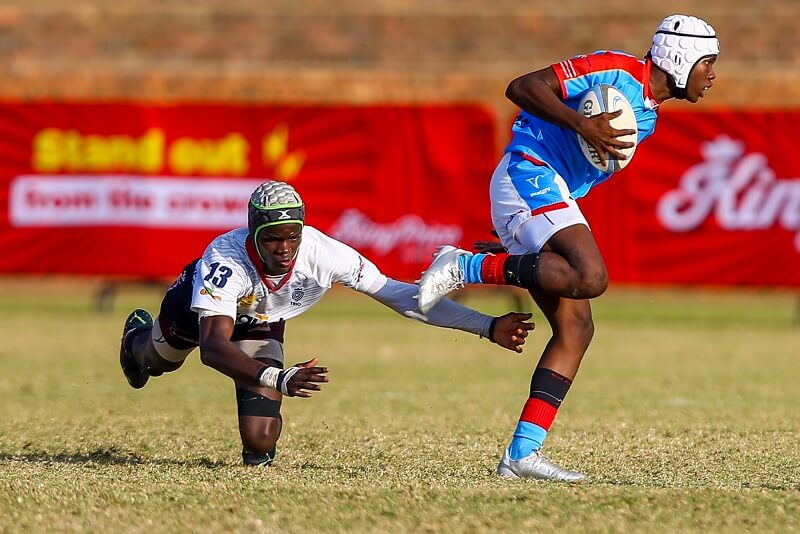
Witteberg en Transvalia meet Maandag om 14:00 kragte in Bethlehem voor hulle hul onderskeie finale ligabepalings na die skoolvakansie aanpak.
Dit is vir albei skole ‘n kans om weer ritme te vind voor die seisoen hervat word en ‘n unieke geleentheid om hulself te toets teen ‘n span wat nie in dieselfde streeksliga meeding nie.
Transvalia veg in die SDC Noordvaal Plaat-afdeling waar hulle sover nog onoorwonne die seisoen is.Die span van Vanderbijlpark se Cravenweek-losskakel, Duan du Toit,se skopskoen was al meer as een span se ondergang hierdie seisoen.
Valia se voorry, aangevuur deur hul haker, Junior van Wyngaardt, kan ook ‘n handvol wees vir die tuisspan.
Witteberg neem deel aan die Wesgrow Sentrale Sprotreeks. Hy sal Saterdag weer in aksie wees teen Jim Fouché, dan het hy nog net vir Hoërskool Trio en die onoorwonne Fichardtpark wat op hul wag.
Nico van Rensburg (senter) en Daniel Meintjies (agsteman) van Witteberg was gedurende die vakansieperiode deel van die onoorwonne Barbarians span by die VKB Platteland Rugbyweek in Reitz. Albei spelers is aangewys as die beste in hul posisie gedurende die toernooi en gekies as deel van Platteland-span wat na Frankryk gaan toer.
Meintjies is ook aangewys as die beste voorspeler by die toernooi en kon minstens een drie in elke wedstryd die week druk.
Pieter Nel (stut) en Jacques van der Merwe (haker) het Witteberg verteenwoordig by die o.17 Rhino-week in Vanderbijlpark waar hulle ook uitgestaan het en vir die toerspan na Ierland gekies is.
Die spanne is:
Witteberg t. Transvalia om 14:00:
Witteberg: 15 Curtley Smith, 14 Ashton Diedericks, 13 Kenyon Morat, 12 Nico van Rensburg, 11 Xavier Lotter, 10 Sydwell Sethi, 9 Dries Stemmet, 8 Daniel Meintjies, 7 Llewellyn Beukes, 6 Marco Grobler, 5 Gerard de Boer, 4 Pieter Nel, 3 Bongi Mbamo, 2 Jacques van der Merwe, 1 Zethu Mokhosi.
Transvalia: 15 Daniel Grobler, 14 Kiki Maccamel, 13 Siya Khambule, 12 Brandon Smit, 11 Frikkie Smit, 10 Duan du Toit, 9 Ruben Claasen, 8 Anro Labuschagne, 7 Xander McNeill, 6 Alex McNeill, 5 Dane Beytell, 4 Vincent Brits, 3 Stiaan Breedt, 2 Junior van Wyngaardt, 1 Arné Botes.
The incredible depth of South African schoolboy rugby was on show as the SA Schools U18 side had to work hard for a 36-26 win over the SA Schools U18 “A” team at the Boland Stadium.
The SA Schools captain and eighth man from Grey College, JJ Theron, was phenomenal for his side. Leading from the front by carrying the ball strongly and being rock-solid on defence. His game was cut short with an injury early in the second half, which will be a major blow if it turns out to be serious.
He initiated the first try of the day, breaking through the defensive line and doing well to get the ball to his hooker from King Edward VII, Siphosethu Mnebelele, who barged over for the first score.
The courageous captain then got over the line himself, five minutes before the break, to regain the lead for his side after an inspired period of attack by the SA A team saw them take a 14-7 lead through a try by the industrious flanker from Daniel Pienaar, De Wet Fourie, and a penalty try which they forced through a strong driving maul.
Fichardtpark’s first-ever Springbok Schools player, the big lock, Jaco Grobbelaar, drew his side equal after Mnebelele paid forward the earlier favour by his captain by showing equally impressive handling in contact to get the ball to Grobbelaar who burst over the line.
Grey College’s star flyhalf, Ian van der Merwe, converted all three tries for the SA Schools team in the first half to give his side a 21-14 advantage at halftime.
The SA A team looked fired up after the break and Noordheuwel’s lightning-quick winger, Cheswill Jooste, needed only a minute after the kickoff to score and show that they had no intention of rolling over without a fight.
Unfortunately, the SA A team also suffered an injury when the Diocesan College fullback who has been showing a lot of promise throughout the season, Gilermo Mentoe, had to leave the field minutes after coming on as a substitute.
A flurry of substitutions by both squads to give every player as much game time as possible had no impact on the intensity of the game. In fact, it was the SA Schools replacement hooker from Helpmekaar, Ruan Welman, who scored a brace to help his side build a buffer to protect against the unceasing SA A attack.
The SA A team managed to level up the scores for the third time in the game when their substitute scrumhalf from Monument, Ceano Everson, scored a beautiful try after some sensational athleticism by his centre, Benito Goeda, from Grey College.
Both SA A scrum-halves, Everson and Garsfontein’s Brooklyn Newman played well and kept the SA Schools forwards awake around the rucks.
With only five minutes left on the clock, after Welman’s second try, SA Schools were holding on to a slender 31-26 lead but the SA A team had them pinned to their own goal line and it looked as if they were going to steal a big statement victory before JC Mars, the SA Schools fullback from Paarl Boys’ High who is one of the seven players who has been selected for a second time after having already played for the SA Schools teams last year, started on the halfway line and stepped around the defenders, as he so often does, to score the final try of the day, sealing the victory for the SA Schools team.
The other six returning players are JT Strydom, Jameel de Jongh, Divan Fuller, Danio Botha, Ulrich van der Westhuizen and Christian Everett.
Mars and his winger from Maritzburg College, Luyanda Kunene, combined well at the back and caused a couple of problems for the SA A team when returning kicks.
Their centre from Garsfontein, Demitre Erasmus, stood out on defence. The lively speedster who has made a name for himself with his try-scoring ability and his highlight reel interceptions showed that he can also apply his ability to read the game on defence, making a couple of crucial tackles just when it looked like SA A might be gaining some momentum.
For the SA A team Fourie and his flanking partner from HTS Drostdy, Matt Romao, were solid when defending and their fullback from Outeniqua, JT Strydom, was also reliable at the back and exciting when he had a bit of space.
Both of these teams have recently been selected, after the Craven Week in George earlier this month, to represent the country at U18 level and this was the first opportunity they had to play together.
Not only did the game show how much talent there is in South Africa, with the SA A team very nearly toppling the first-choice SA Schools team, but it will also have been the perfect preparation for both squads and invaluable information for their coaching teams as they get ready to represent the country.
Scorers:
SA Schools 36 (21) – Tries: Ruan Welman (2), Siphosethu Mnebelele, Jaco Grobbelaar, JJ Theron, JC Mars. Conversions: Ian van der Merwe (3). SA Schools “A” 26 (14) – Tries: De Wet Fourie, Cheswill Jooste, Ceano Everson, Penalty Try. Conversions: Yaqeen Ahmed, Dominic Malgas.
The Junior Boks are excited and keen to deliver a performance that will leave a legacy for the 2023 team when they face England at Athlone Stadium in Cape Town in the World Rugby U20 Championship third place playoff on Friday.
For SA U20 captain Paul de Villiers, the match is not only about winning the bronze medal but also for his troops to deliver a performance they can all reflect on in years to come.
“We really want to beat England and finish on a high note – that will leave some sort of legacy for us as a team,” said De Villiers after he took the team through their last training session and traditional captain’s practice.
“We are still going out there to represent our country and people are still paying money to come and see us play, so we cannot disappoint them. We had our ups and downs in the tournament, but if we deliver a good performance on Friday, that is what people will remember. So yes, we are going into this game with the win on our minds.
“There are some mixed emotions now, this being the last time we have trained together and me in charge of the so-called captain’s run, but emotions are not going to take us anywhere tomorrow. We will have to be focussed on what England will bring to us and how we are going to cope with that.”
England have won the most tackle turnovers (18) – more than twice as many as South Africa (7) – and they the only team to have made in excess of 500 passes (520), but they have also conceded 11.5 penalties on average per match and have had four players sent to the sin-bin.
De Villiers was on the field in June 2022 when South Africa defeated England 30-22 in the Six Nations U20 Summer Series in Italy, but tournament history is not in the home side’s favour as England won the last five encounters before that.
No team has played in more third-place playoffs than South Africa (nine) and this is the sixth tournament in a row that they have contested the bronze final. They have won eight and lost once only in those playoffs, with their only defeat at this stage of the tournament coming against Argentina (49-19) in England in 2016.
De Villiers, in his ninth and last appearance for the Junior Boks, said stats will not deter them in their quest to win the match. South Africa’s tackle success rate is the second best in the tournament at 88.7% and they have the fastest average ruck speed in attack (2.90 seconds), but the Junior Bok captain also points to effort.
“At the beginning of the tournament there was room for speculation about the potential of the group and what we potentially could achieve,” he said.
“There is no room for that anymore, time for talking is done and we have one more opportunity to speak through our actions and effort on the field. That is all that really matters.
“The team have shown their fight so far and we did play some really good rugby at times. Sadly also, we had poor moments as well and tomorrow will be about delivering a performance that will be worthy for the Junior Springboks and what it represents. For that we must pitch up tomorrow and stay in the game until the very last minute.”
Head-to-Head:
Played 11, England won 8, South Africa 3
Average score: England 27-23
England have won the last five U20 Championship encounters, but South Africa came out on top the last time they met, 30-22 at the U20 Summer Series in Verona, Italy, in June 2022.
Match information: Junior Springboks v England U20
Date: Friday, 14 July 2023 Venue: Athlone Stadium, Cape Town Kick-off: 16h30 Referee: Reuben Keane (Australia) Assistant Referees: Takehito Namekawa (Japan), Griffin Colby (South Africa) TMO: Marius van der Westhuizen (South Africa) TV: SuperSport 211
 The recently retired Managliso Mosehle, has been appointed as the new cricket professional at Queen’s College.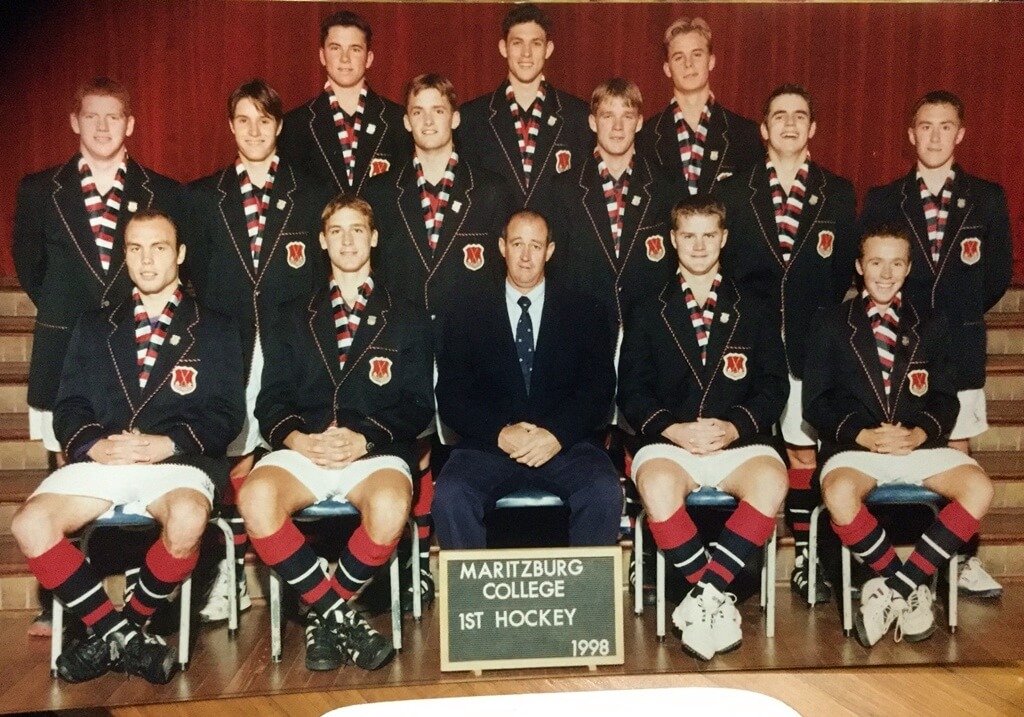


 This week (19-23 July 2023) the Mother City, Cape Town will play host to 64 teams from the likes of South Africa, Zimbabwe and the United Kingdom in a total of 244 matches across the week in the Cape Town International Hockey Tournament.
  Three goals in quick succession by the SA u21 side in the fourth quarter secured a resounding (5-1) victory for Guy Elliott’s side in the second test of the SA Youth challenge against the SA u18’s on Tuesday night in Bloemfontein.
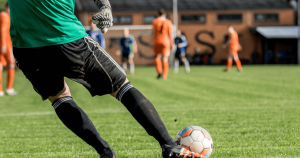 During the weekend, Kearsney College welcomed teams across the country to its inaugural Kearsney Soccer Tournament.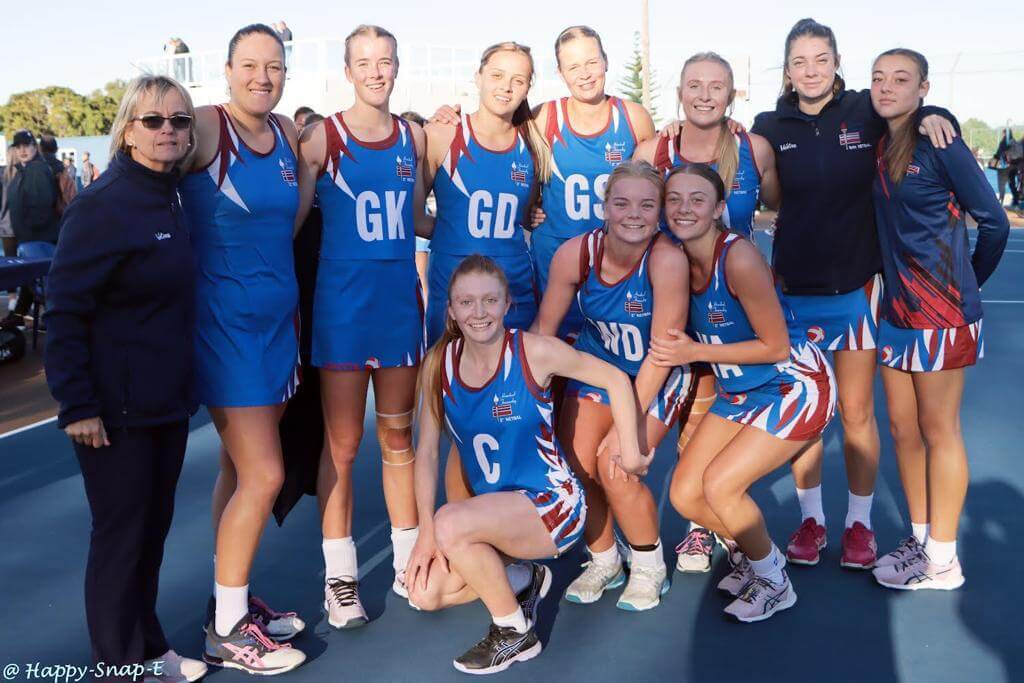
 Die hoogs verwagte DStv School Netball Challenge skop hierdie naweek vanaf 21ste tot die 23ste Julie by Hoërskool Florida in Roodepoort af – ‘n opwindende kompetisie tussen van die beste netbalspanne in die land.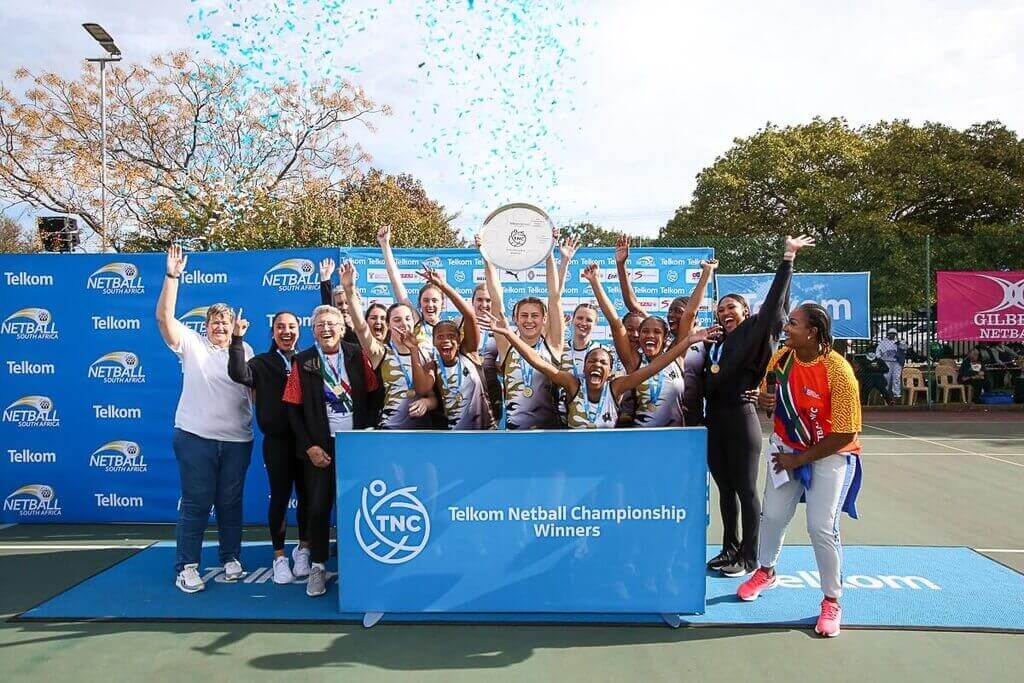

 Witteberg en Transvalia meet Maandag om 14:00 kragte in Bethlehem voor hulle hul onderskeie finale ligabepalings na die skoolvakansie aanpak.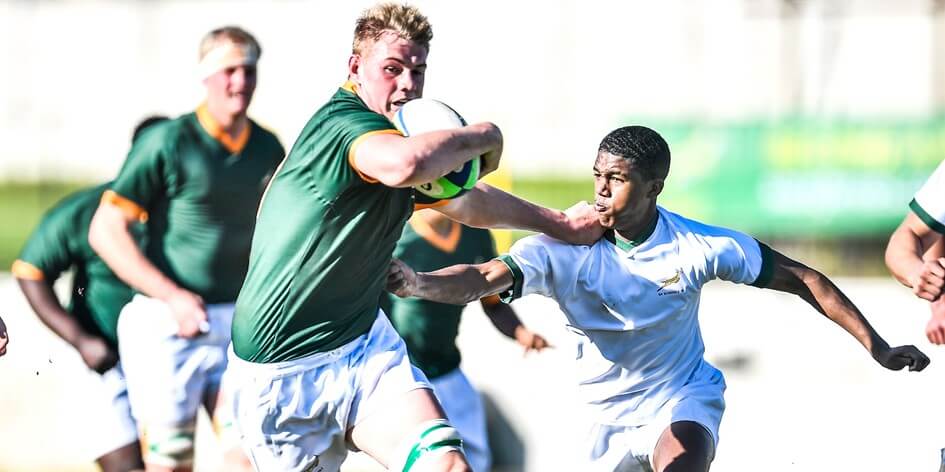
 The incredible depth of South African schoolboy rugby was on show as the SA Schools U18 side had to work hard for a 36-26 win over the SA Schools U18 “A” team at the Boland Stadium.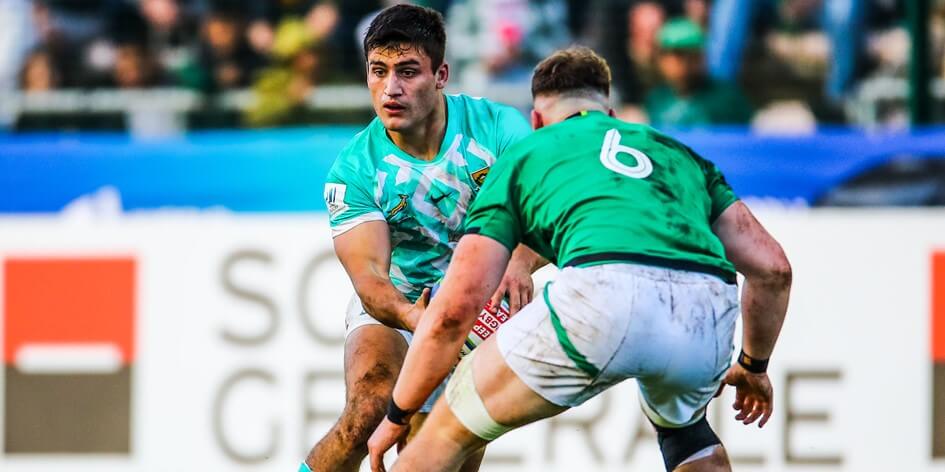
 The Junior Boks are excited and keen to deliver a performance that will leave a legacy for the 2023 team when they face England at Athlone Stadium in Cape Town in the World Rugby U20 Championship third place playoff on Friday.